Historical Roots
Ancient Egyptian Woodworking and Chairmaking
Egypt has a long and well-documented tradition of woodworking and furniture making. Ancient Egyptian craftsmen produced chairs, stools, beds and other wooden furniture, using carefully made joints, pegs, tools and locally available and imported woods.
Surviving furniture provides a direct connection to this tradition. The Metropolitan Museum of Art preserves Egyptian chairs dating to the New Kingdom, including the Chair of Reniseneb from around 1450 BCE and Hatnefer's Chair from around 1491–1473 BCE. The Museum also records a depiction from the tomb of Rekhmire showing a craftsman making a chair with woodworking tools.
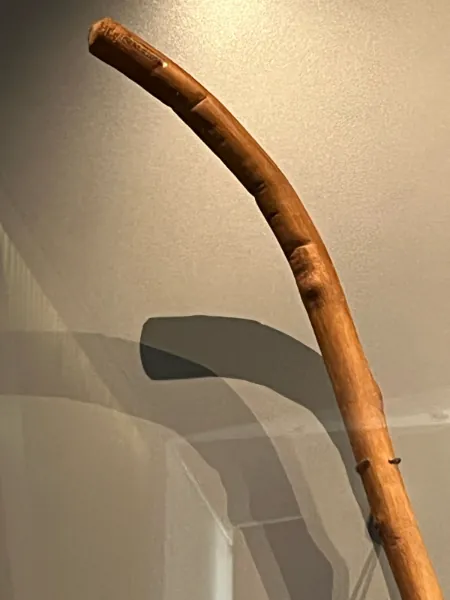
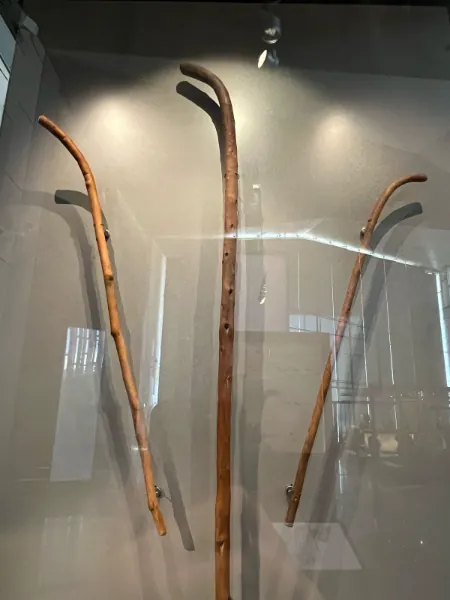
Ancient Egyptian collections also include curved and bent wooden objects. These surviving examples demonstrate the ability of ancient craftsmen to shape wood into functional forms, although they should not be treated as direct evidence that the exact modern steam-bending process was used in ancient Egypt.
From Egyptian Craftsmanship to Modern Chair Manufacturing
Today, wood bending and precision woodworking are established manufacturing techniques used to produce strong and functional chair components. At El Etrby Chair Factory, traditional woodworking knowledge is combined with modern production methods to manufacture wooden chair models for international B2B customers.
Our focus is on the wooden chair itself: the structure, proportions, components and workmanship. Much of our production can be supplied without final finishing, allowing international buyers to apply the finishing, upholstery and other specifications required by their own markets.
Our historical roots are therefore not simply a reference to the past. They represent a continuing connection between Egypt's long woodworking tradition and the modern production of wooden chairs for international markets.
Historical references: The Metropolitan Museum of Art's Egyptian Art collection documents ancient Egyptian chairs, woodworking and bent wooden objects.